

In the world of architectural engineering, a building is more than just a shelter; it is a physical manifestation of high-level computation, structural physics, and aesthetic audacity. When we look at the world’s most impressive “hardware” (the buildings themselves) and their “operating systems” (how they function), these five structures represent the absolute peak of human ingenuity in 2026.
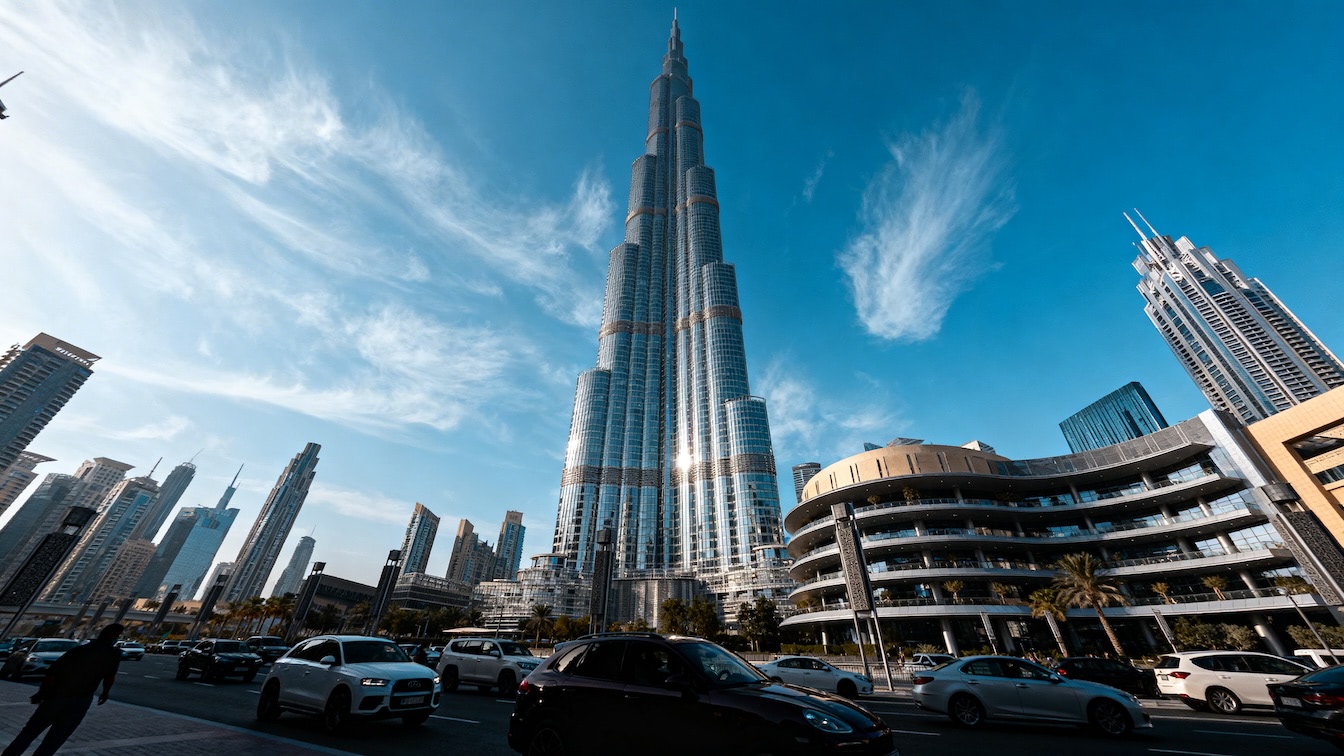
01 // The Burj Khalifa, Dubai (The Vertical Benchmark)
If architecture had a “clock speed,” the Burj Khalifa would still be the world’s leading processor. Standing at 828 meters, it’s a masterclass in managing atmospheric pressure and wind vortex shedding.
-
The Nerd Factor: Its “Y” shaped floor plan isn’t just for the view; it’s a structural hack to reduce wind forces. The building uses a high-performance condensate recovery system that captures 15 million gallons of water annually from the humid desert air—proving that even “Legacy” icons can implement sustainable patches.
02 // The Sphere, Las Vegas (The Ultimate GPU)
The Sphere is essentially a 16K-resolution, programmable exoskeleton. It represents the first time a building’s facade has been treated entirely as a high-refresh-rate display.
-
The Specs: The exterior “Exosphere” features 580,000 square feet of programmable LED panels, while the interior boasts the world’s largest beamforming audio system. It uses 167,000 speaker drivers to “steer” sound to specific seats. It’s the closest thing humanity has built to a literal holodeck.
03 // Marina Bay Sands, Singapore (The Cantilever King)
Designed by Moshe Safdie, this is a three-node cluster connected by a single, massive “bridge” called the SkyPark.
-
The Structural I/O: The SkyPark is a 340-meter-long cantilevered platform that sits across the three towers. What’s truly impressive is the expansion joints built into the structure; because the three towers move differently in the wind, the bridge has to “float” to prevent the concrete from snapping. It’s a dynamic system disguised as a static monument.
04 // The Edge, Amsterdam (The Smartest BIOS)
Often cited as the most sustainable office building in the world, The Edge is a “Living Lab.” It uses a Power-over-Ethernet (PoE) LED lighting system that is integrated with 6,000 sensors.
-
The Connectivity: The building tracks everything: light levels, humidity, and even when a coffee machine needs a “firmware update” (maintenance). Employees don’t have assigned desks; an app assigns them a workspace based on their schedule and environmental preferences—the ultimate hot-swappable office environment.
05 // The InterContinental Shanghai Wonderland (The Inverted Build)
Most buildings focus on the Z-axis (height); this one focus on Negative Z. Built into the side of an abandoned, flooded quarry, 16 of its 18 floors are below ground level, with two floors actually submerged underwater.
-
The Engineering: To prevent the hotel from becoming a “data leak” (flooding), the engineers had to design a custom pumping station and a massive dam. It’s a brilliant example of reclaimed hardware—taking a “broken” industrial site and repurposing it into a high-end luxury interface.
The Architectural Verdict
These buildings prove that when you remove the “bandwidth limits” of traditional construction, you can create structures that feel like they belong in a sci-fi render. They aren’t just stacks of steel and glass; they are complex, synchronized environments designed to optimize human “uptime.”
