Inspired by cloudsNavigating the 2026 Creative Stratosphere
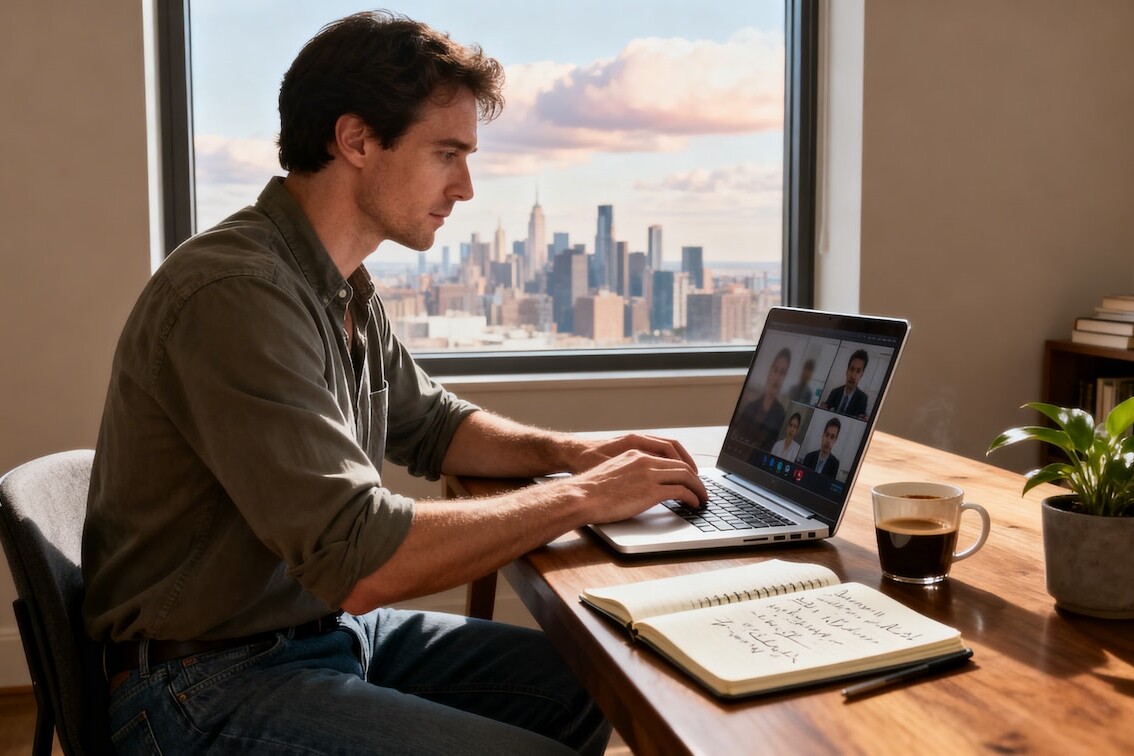
In the early days of the digital revolution, “the cloud” was just a metaphor for someone else’s computer—a nebulous place where we dumped backups and forgot about them. Fast forward to 2026, and the cloud is no longer a storage locker; it is the central nervous system of the creative process.
For those pushing the limits of modern hardware—like a MacBook Pro 16″ (M4 Max) or the iPhone 17 Pro Max—the cloud has evolved into something far more interesting than just “online storage.” It has become a programmable, low-latency extension of local silicon.
The Hardware Backbone
To truly inhabit the cloud, you need a local gateway capable of handling the bandwidth. In 2026, that gateway is the M4 Max. With its 16-core CPU and 40-core GPU, paired with up to 128GB of Unified Memory, the bottleneck is rarely the processor; it’s the I/O. This is where Thunderbolt 5 comes in, offering 120Gb/s speeds that finally allow external cloud-synced NVMe drives to perform at parity with internal storage.
On the mobile front, the iPhone 17 Pro Max serves as the ultimate ingest point. Powered by the A19 Pro chip and a new Vapor Chamber cooling system, it can shoot ProRes Log 2 and 48MP RAW without thermal throttling. But the real magic happens when those files hit the “vapor.”
The Architecture of Air: Beyond the Drive Letter
Solutions like LucidLink have effectively killed the “download-edit-upload” cycle. By treating cloud storage as a local mount point, creative teams can stream multi-terabyte project libraries as if they were sitting on a local RAID.
When you combine this with Blackmagic Cloud, the workflow becomes truly fluid. An editor in Tokyo can trim B-roll on a timeline while a colorist in Amsterdam grades the same project file in real-time. We’ve moved past “syncing” and entered the era of Unified Presence.
The Monitoring Layer: Beats Studio Pro
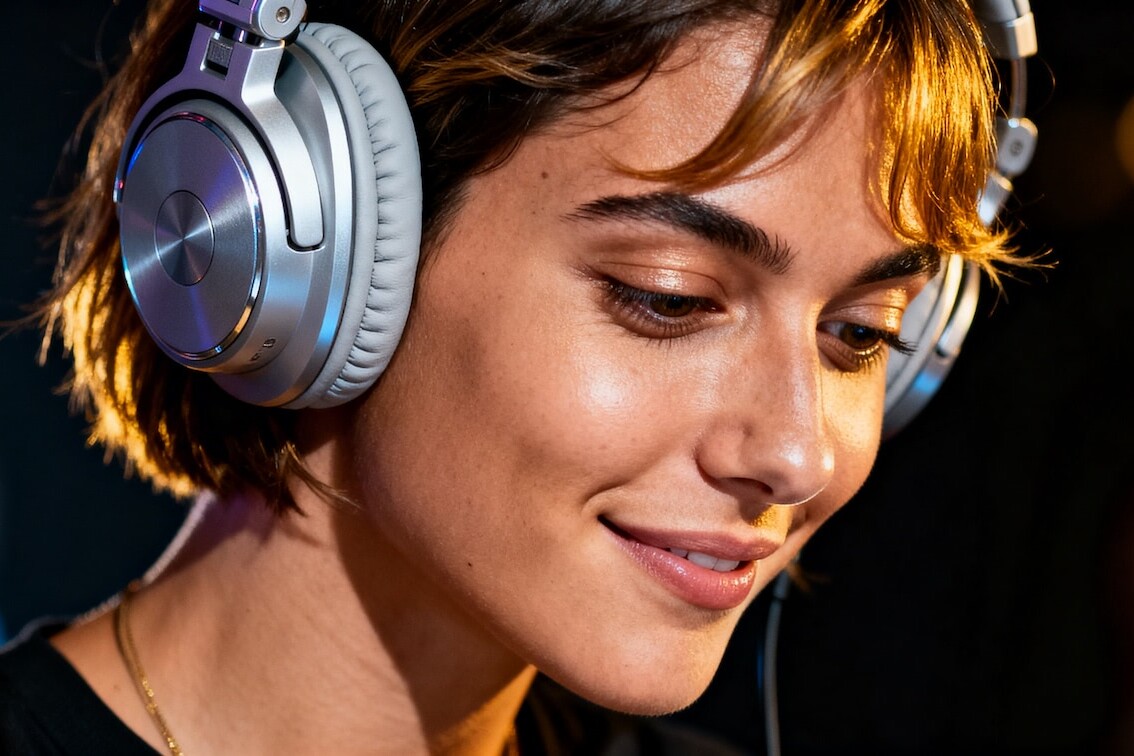
Working in the cloud often means working in transit. To maintain a pro-level edit environment in a café or an airport, audio fidelity is non-negotiable. The Beats Studio Pro has become a staple for this “cloud-nomad” workflow. While its Fully Adaptive ANC keeps the world out, the USB-C Lossless Audio mode is the technical clincher. It allows for a pure 24-bit/48kHz digital-to-analog conversion, ensuring that the Z-axis of your soundstage is as deep and leaden as the foreground objects in your visual composition.
The Hybrid Storm: Mixing Metal and Vapor
The trend in 2026 is Hybrid Orchestration. We use local “heavy metal” for the brute force—real-time 8K playback and complex 3D renders—while the cloud handles the “intelligence”:
-
Generative Compute: Offloading AI background generation to specialized cloud clusters.
-
Edge Processing: Running serverless functions at the nearest 5G node to process spatial data from the iPhone’s LiDAR scanner.
-
Distributed Rendering: Spreading massive Blender animations across a global mesh of idle nodes.
Final Thought
Inspired by Clouds refers to more than just technology. It refers to the freedom this tech grants us. When your workflow is truly cloud-native, your “office” is defined by your connection, not your four walls. We no longer look at the clouds and see rain; we see the infinite compute that allows us to stay close to our subjects, ensuring the pixels are as good as the intention behind them.

Related Posts