

The Mystery of Golden Flecks: Why Pyrite Makes Lapis Lazuli Unique
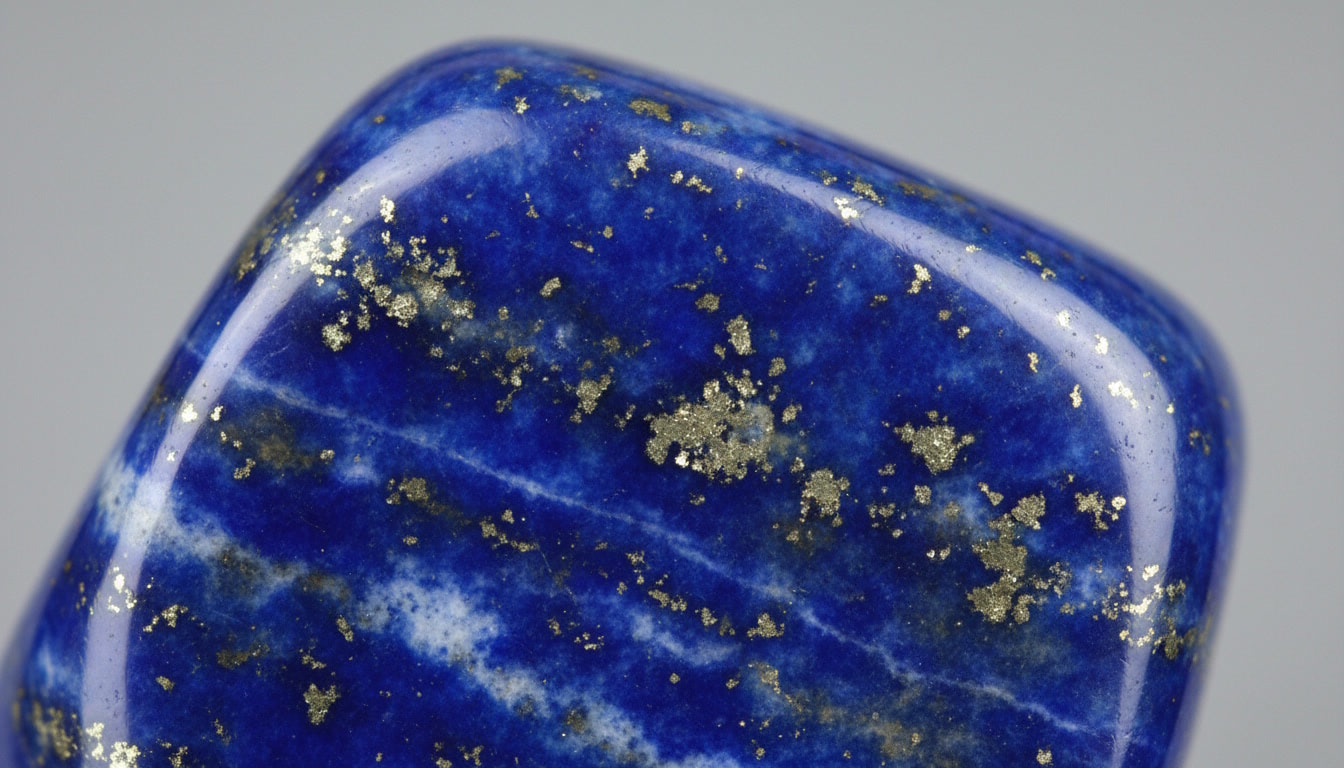
When you look closely at a high-quality Lapis Lazuli ring, you will likely notice something magical: tiny, glittering specks of gold scattered across a midnight-blue canvas. It looks exactly like a starry night sky.
These golden flecks are one of the most beloved characteristics of Lapis Lazuli. But what exactly are they, and why do they make this stone so desirable to jewelry collectors?
Key Takeaways
- The golden specks in Lapis Lazuli are not actual gold; they are a mineral called Pyrite.
- Pyrite is commonly known as "Fool's Gold."
- An even, delicate dusting of pyrite increases the value and beauty of Lapis jewelry.
- The presence of natural pyrite is a great way to identify authentic Lapis Lazuli from synthetic fakes.
What Exactly Are the Golden Flecks?
Lapis Lazuli is not a single mineral; it is a rock composed of several different minerals. The striking blue color comes from lazurite, while the white marbling you sometimes see is calcite.
The shimmering golden flecks are iron pyrite. Pyrite is an iron sulfide mineral with a metallic luster and a pale brass-yellow hue. Because of its resemblance to actual gold, it earned the famous nickname "Fool's Gold." In the context of Lapis, however, these inclusions are highly prized.
Pyrite as a Mark of Authenticity and Value
In the jewelry market, the way pyrite is distributed in a Lapis stone heavily impacts its value.
| Pyrite Distribution | Impact on Value and Aesthetics |
|---|---|
| Fine, evenly distributed flecks | Highly desirable; creates the coveted "starry sky" effect. High value. |
| Large, heavy patches of pyrite | Can look dull or overly brassy. Generally lowers the value of the stone. |
| No pyrite at all | While pure blue lazurite is rare and valuable, many collectors prefer the traditional flecked look. |
| Excessive white calcite | Considered lower grade (often dyed to look better). |
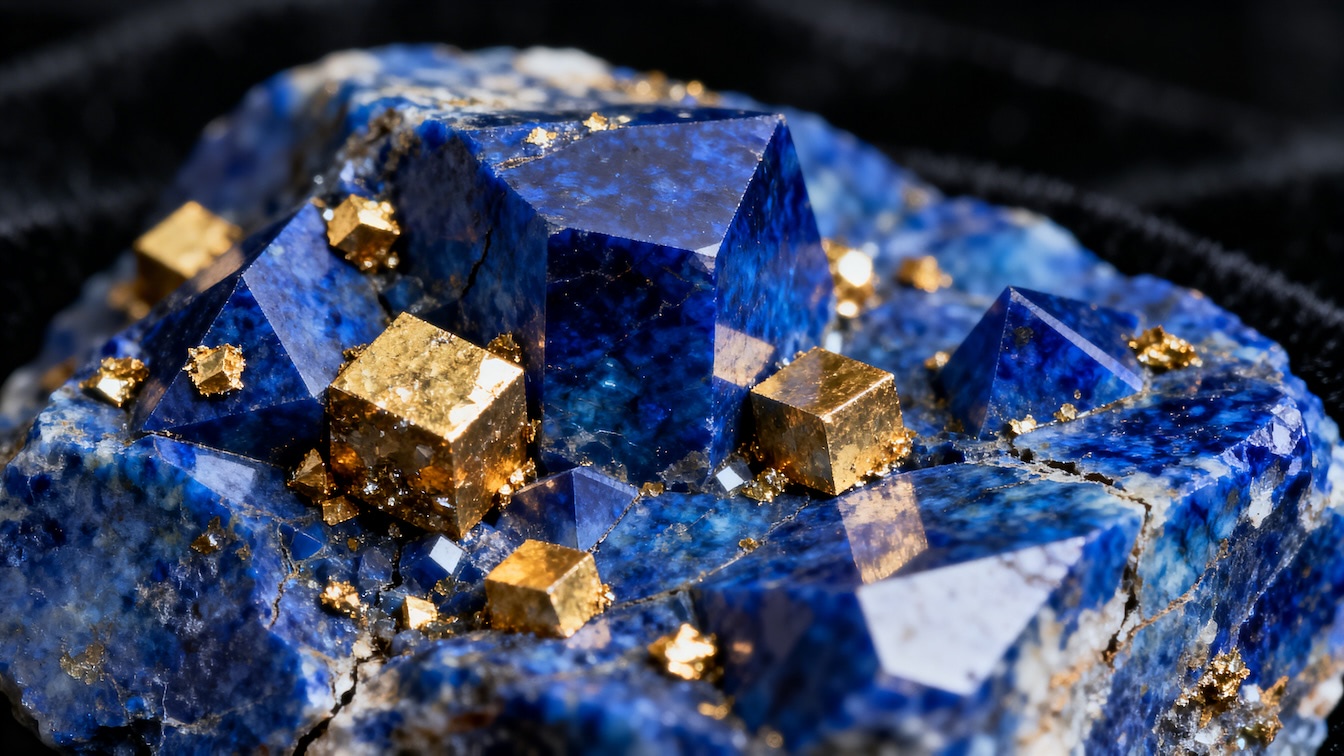
Furthermore, because creating realistic pyrite inclusions in a lab is incredibly difficult, the presence of natural, randomly scattered golden flecks is an excellent indicator that your Lapis Lazuli bracelet or ring is genuine.
Conclusion
The golden flecks of pyrite are what give Lapis Lazuli its soul. They elevate the stone from a simple blue rock to a celestial masterpiece. When choosing your next piece of semi-precious jewelry, look closely at those golden stars—they are the signature of millions of years of natural artistry.
The Mystery of Golden Flecks - FAQ
Is the gold in Lapis Lazuli real gold?
Does fake Lapis Lazuli have gold flecks?
