

What is Sterling Silver? (And Why It’s Better Than Plated)
When shopping for fine or semi-fine jewelry, you will encounter a lot of terms describing the metal settings. The two most common options for silver-toned jewelry are "Sterling Silver" and "Silver-Plated." While they might look identical sitting next to each other in a display case, their quality, value, and lifespan are vastly different.
If you are investing in a beautiful semi-precious stone ring, understanding the metal holding it is crucial. Here is why jewelers and collectors overwhelmingly prefer Sterling Silver.
Key Takeaways
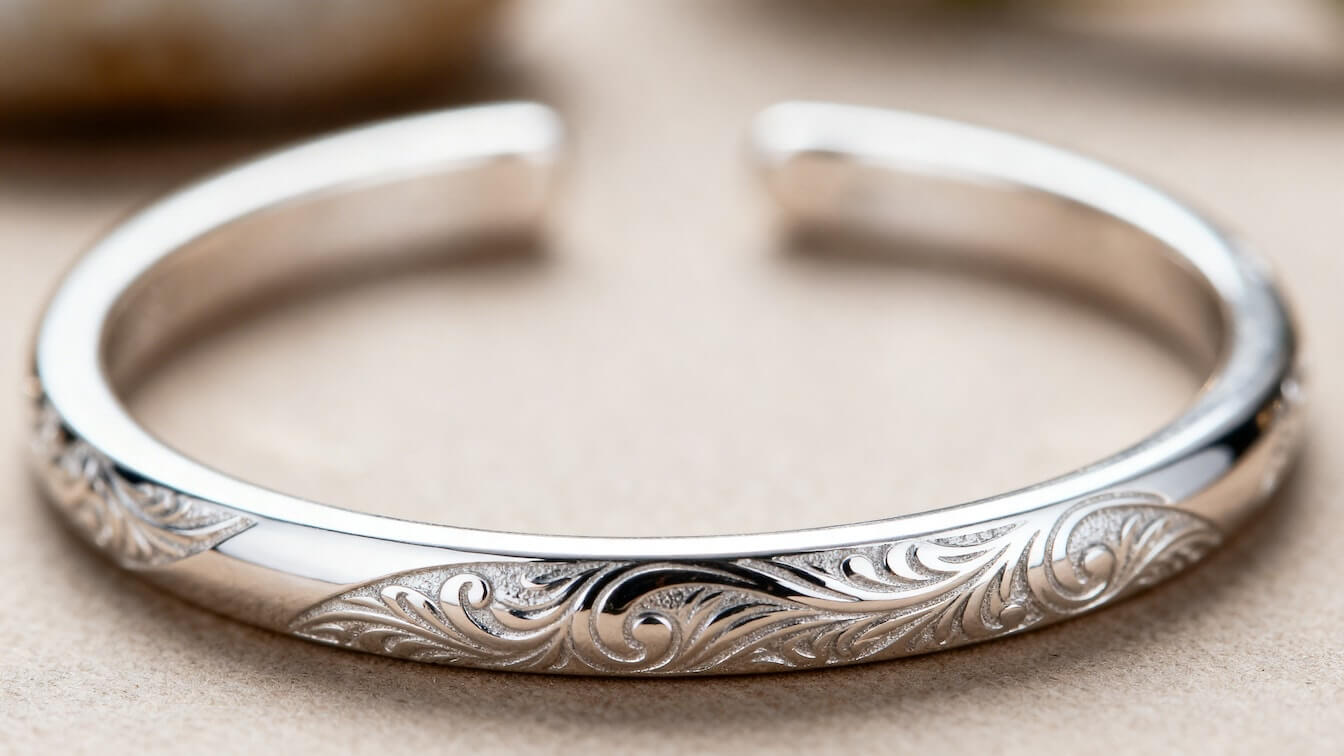
- Sterling silver is a durable alloy made of 92.5% pure silver and 7.5% other metals, usually copper.
- Silver-plated jewelry consists of a cheap base metal (like brass) coated in a microscopic layer of silver.
- Sterling silver is hypoallergenic, making it safe for sensitive skin.
- Plated jewelry will eventually wear off and expose the base metal, while sterling silver can last a lifetime.
The Anatomy of Sterling Silver
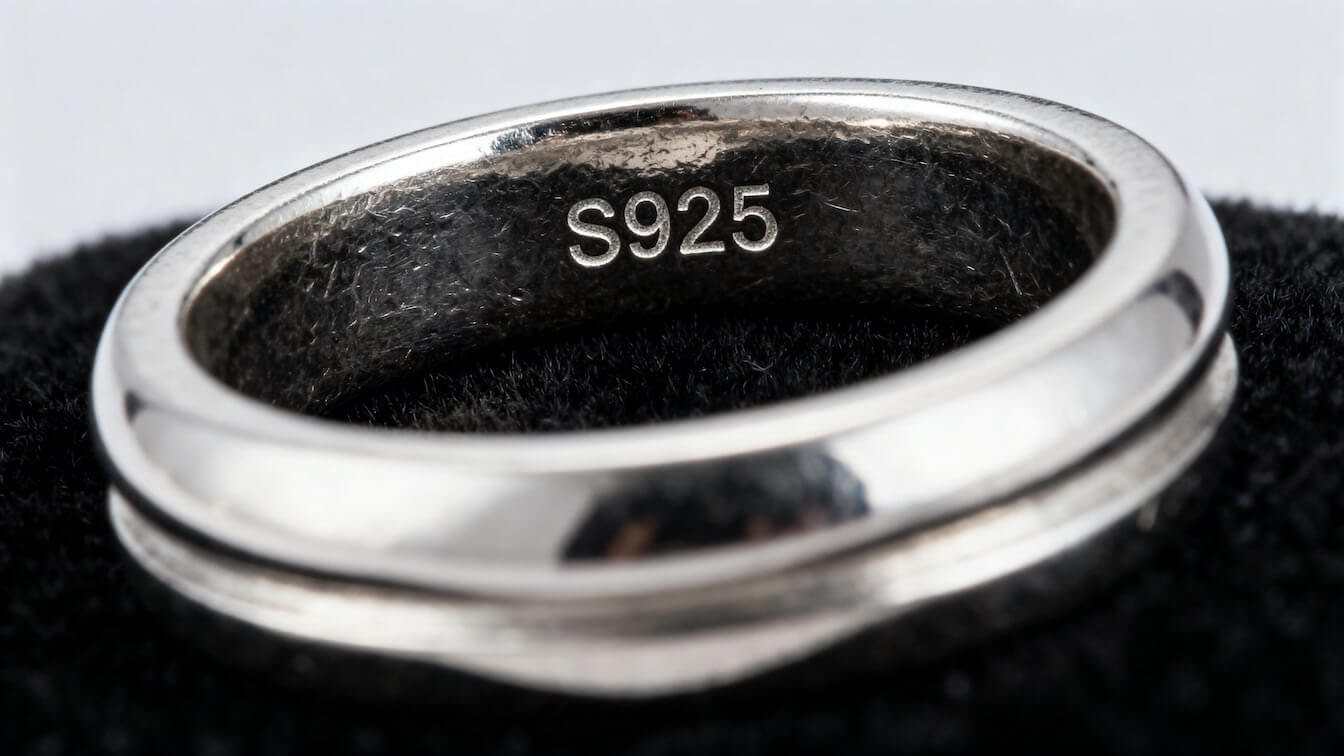
Pure silver is a very soft metal—too soft, in fact, to be molded into durable rings or bracelets. To solve this, metalworkers mix pure silver with a small amount of an alloy, typically copper. The resulting mixture is exactly 92.5% pure silver. This is why you will often see authentic sterling silver stamped with the hallmark "925". The added copper gives the metal the strength it needs to resist dents and scratches while retaining its luminous beauty.
The Problem with Silver Plating
Silver-plated jewelry, on the other hand, is mostly made of inexpensive base metals like copper or brass. Through a process called electroplating, a very thin layer of actual silver—sometimes less than 0.5 microns thick—is applied to the surface.
While this makes the jewelry very cheap, the thin layer of silver will inevitably scratch, chip, or wear away from friction. Once the coating is gone, the dull brass beneath is exposed, and it can leave green marks on your skin or cause allergic reactions.
| Feature | Sterling Silver (925) | Silver-Plated |
|---|---|---|
| Composition | 92.5% pure silver, 7.5% alloy (usually copper). | Base metal (brass/copper) with a thin silver coating. |
| Lifespan | Generational; lasts a lifetime with proper care. | Short-term; coating wears off with friction and water. |
| Skin Sensitivity | Hypoallergenic. | Can cause irritation or turn skin green when plating fades. |
Conclusion
When buying jewelry that features beautiful semi-precious stones, you want a setting that matches the quality of the gem. Sterling silver is an investment in durability, comfort, and timeless elegance. Avoid the heartbreak of a peeling ring and always check for the "925" stamp.

What is Sterling Silver - FAQ
Does sterling silver tarnish?
What does the 925 stamp mean?
