

Why We WearWedding Rings on the "Ring Finger"
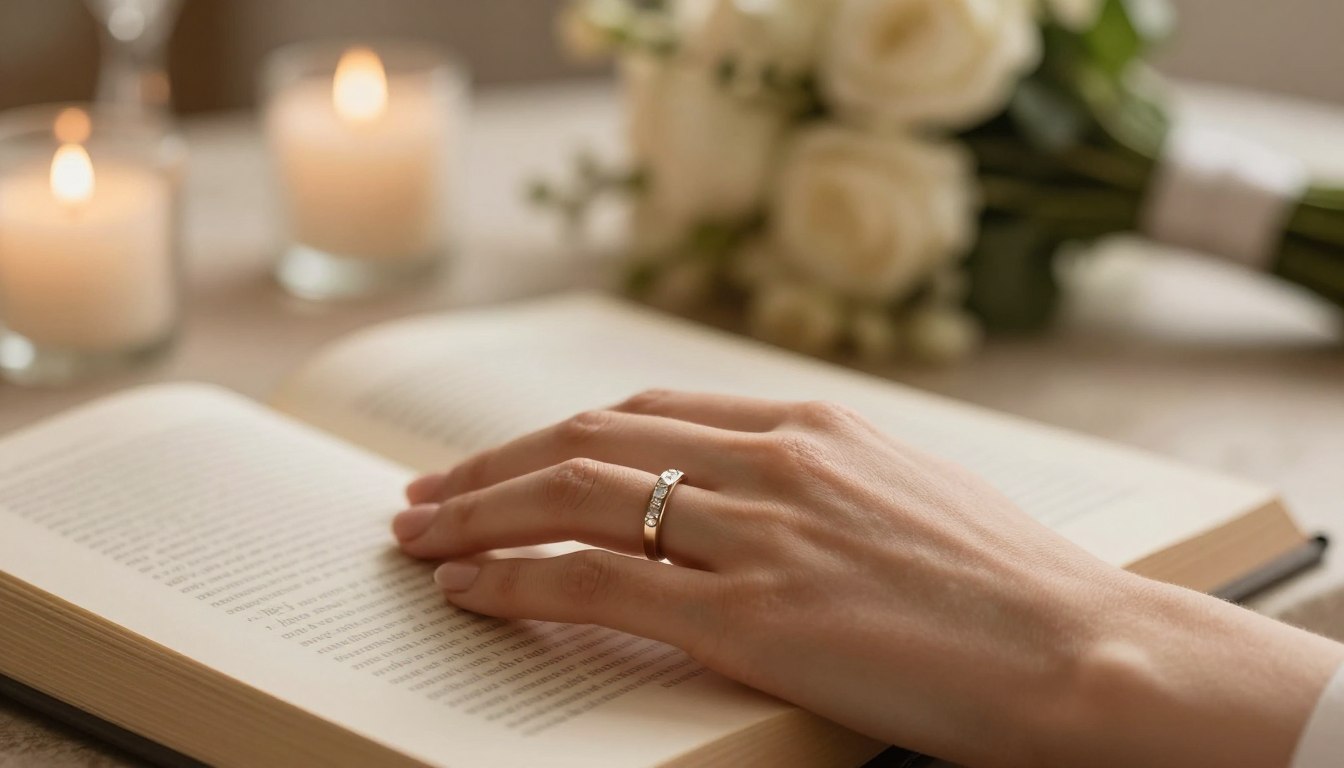
Ever wondered why we wear wedding rings on our fourth finger? It’s a habit that feels natural today. But it has deep roots in ancient beliefs.
Exploring why we wear wedding rings on the “ring finger” shows how old myths shape modern love. It’s fascinating.
Many cultures believe this finger connects to your heart through a special vein. This idea makes marriage bands more than just metal. They symbolize a promise that lasts every day.
Imagine ancient civilizations choosing this spot for their vows. They wanted a sign of eternal love. Their choice has become a global tradition that lasts through time.
Understanding significance of ring finger traditions helps us value our love. From ancient Rome to today, this custom is amazing. Let’s explore why it’s so special for couples.
Key Takeaways
- Ancient Romans believed a vein ran directly from fourth digit to heart.
- Cultural wedding ring symbolism involves circular shapes representing endless devotion.
- Most Western traditions favor left hand placement for marital jewelry.
- Early historical versions used iron or bone before gold became standard.
- Modern couples continue these practices to honor historical romantic legacies.
The Ring Finger Tradition Explained
The tradition of wearing wedding rings on the fourth finger is very old. It’s seen in many cultures, each with its own reasons and meanings.
This finger is linked to love and commitment through history. Many believe it has a vein that goes straight to the heart. This idea helped make it known as the “ring finger.”
Cultural Significance of the Ring Finger
There are many reasons for wearing wedding rings on the fourth finger. In Western cultures, the left hand’s fourth finger is often chosen. This is because of the “vena amoris” or “vein of love” belief.
"The choice of the fourth finger for wearing wedding rings is not merely a matter of tradition; it is deeply intertwined with cultural, historical, and even anatomical beliefs."
Looking at how different cultures use the ring finger is interesting. Here’s a table that shows some of these practices:
| Culture | Preferred Hand for Wedding Ring | Reason |
|---|---|---|
| Western Cultures | Left Hand | Belief in "vena amoris" |
| Some Asian Cultures | Right Hand | Cultural and Religious Significance |
| Orthodox Christian | Right Hand | Tradition and Symbolism |
The tradition of wearing wedding rings on the fourth finger is full of history and meaning. Learning about these aspects helps us appreciate this custom more.
Ancient Origins of the Ring Finger Custom
The fourth finger has always been linked to love and commitment. This idea started in ancient times. Many cultures, like Egypt, Rome, and Greece, believed in it.
Egyptian Beliefs and the Vena Amoris
The Egyptians were among the first to believe in the fourth finger’s special meaning. They thought there was a vein called the “Vena Amoris” or “vein of love.” This vein was believed to connect the finger to the heart.
This idea showed the Egyptians’ deep understanding of love and relationships. Even if it’s not true, it helped start the tradition of wearing wedding rings.
Roman Contributions to the Tradition
The Romans took the Egyptians’ ideas and made them their own. They made wearing rings on the fourth finger a sign of being engaged or married. The Romans saw rings as a way to show commitment and loyalty.
Roman law even required a ring to be worn during the betrothal ceremony. This made rings very important in Roman culture. It helped create the wedding ring tradition we know today.
Greek Influence on Ring Symbolism
The Greeks also had a big impact on ring symbolism. They used rings to show wealth and love. The Greeks’ ideas added a deep emotional and symbolic meaning to rings.
In Greek culture, rings were seen as symbols of eternal love. This idea was adopted by other cultures. It helped make wearing wedding rings on the fourth finger a common practice.
The Vein of Love Legend and Its Enduring Appeal
The Vena Amoris, or ‘vein of love,’ has a rich history. It’s tied to the tradition of wearing wedding rings. This ancient belief says a vein runs from the fourth finger to the heart, showing eternal love and commitment.
The fourth finger and the heart have always fascinated people. The idea that this finger has a vein to the heart is key in wedding ring traditions.
The Myth of the Direct Connection to the Heart
Long ago, people believed the fourth finger on the left hand had a vein to the heart. This myth was big because the heart was seen as the center of emotions, like love.
The concept of the Vena Amoris was more than just a romantic idea. It was a sign of a deep emotional bond between two people. It was thought that wearing a ring on this finger showed a lasting and direct connection between the couple.
How This Belief Spread Through Europe
How This Belief Spread Through Europe
The Vena Amoris belief spread across Europe through cultural exchange and ancient customs. As trade and cultural interactions grew, wearing wedding rings on the fourth finger became common.
The Christian church helped make this tradition popular. The idea of the Vena Amoris fit well with Christian views on love and marriage. This made it a big part of wedding customs.
Today, wearing wedding rings on the fourth finger is a strong symbol of love and commitment. The Vena Amoris legend is a big reason for this. Even though the belief is not true, it’s a big part of ring finger traditions in marriages all over the world.
Anatomical Facts About the Ring Finger
Anatomical Facts About the Ring Finger
Wearing wedding rings on the fourth finger is common. But, not many know the reasons behind it. The ring finger, or the fourth finger, is full of myths and facts.
Modern Medical Understanding of Hand Anatomy
The human hand is made of bones, muscles, and nerves. The fourth finger has three bones, like the others. The hand is made for fine tasks and strength, with fingers key to both.
Studies have shown the “Vena Amoris” myth is wrong. The hand’s veins don’t directly connect to the heart. Instead, they form a network to return blood to the heart.
Why the Left Hand Became the Western Standard
Wearing wedding rings on the left hand comes from ancient times. In Western societies, the left hand was seen as more sacred. This was influenced by early Christian beliefs and the “Vena Amoris” myth.
As time went on, wedding ring customs changed. The left hand became the norm in many Western cultures. This was due to Roman and Christian traditions.
The Practical Aspects of the Fourth Finger
The fourth finger is a good choice for rings because it’s used less. This means the ring is less likely to get damaged or cause discomfort. It’s also visible but not used much in daily life.
Looking into the ring finger’s significance, we see it’s more than just tradition. Its anatomy and practicality make it a popular choice for wedding rings.
Cultural Variations in Ring Finger Traditions

The fourth finger is often linked with wedding rings. But, different cultures have their own ways. This is because of history, culture, and religion.
Right Hand Ring Finger Customs
In many places, people prefer the right hand for wedding rings. This comes from old beliefs and customs.
Germany, Russia, and Eastern European Countries
In Germany, Russia, and Eastern Europe, the right hand is key. This is due to their unique history and culture.
Indian Subcontinent Practices
In the Indian subcontinent, the right hand is often chosen for wedding rings. This is true in some cultures and religions.
Countries That Switch Hands
Some places have special rules for wedding rings. The hand can change based on the situation or custom.
Netherlands and Belgium Traditions
In the Netherlands and Belgium, there’s a cool tradition. The ring goes on the left hand during engagement. Then, it moves to the right after the wedding.
Asian Wedding Ring Customs
Asian cultures have many wedding ring customs. In some, rings aren’t part of the wedding. In others, they’re worn differently.
| Country/Region | Preferred Hand for Wedding Ring | Cultural Significance |
|---|---|---|
| Germany, Russia, Eastern Europe | Right Hand | Historical and cultural influences |
| India | Right Hand (often) | Cultural and religious contexts |
| Netherlands, Belgium | Left Hand (engagement), Right Hand (after marriage) | Tradition of switching hands after wedding |
Religious Influences on Wedding Ring Placement
Many religions have shaped how and where we wear wedding rings. This tradition is tied to the beliefs of different faiths.
Christian Wedding Ceremonies and the Trinity
Christian weddings see the ring as a sign of forever love. The ring finger choice comes from the early Christian church’s Roman tradition. It also links to the Trinity, showing the couple’s unity with God.
Orthodox Christian Traditions
Orthodox Christians have special wedding ring customs. In their ceremonies, the couple is crowned, and rings are exchanged. This act symbolizes their bond and sacrifice for each other.
Jewish Wedding Ring Customs
In Jewish weddings, the ring goes on the right index finger. This custom changes among Jewish groups. Yet, the ring’s meaning as a marriage symbol stays the same.
Islamic Perspectives on Ring Wearing
Islamic views on wedding rings differ. Some cultures wear them, while others don’t. In some Muslim societies, men avoid gold rings, affecting the choice of wedding ring materials.
Religions show different ways to view wedding rings. This shows how culture and faith mix in these traditions.
| Religion | Wedding Ring Tradition | Significance |
|---|---|---|
| Christianity | Ring worn on the fourth finger of the left hand | Symbolizes eternal love and commitment |
| Orthodox Christianity | Rings exchanged during the crowning ceremony | Symbolizes union and martyrdom |
| Judaism | Ring placed on the index finger of the right hand | Symbolizes marriage |
| Islam | Varied practices regarding wedding rings | Influenced by cultural and religious norms |
Why We Wear Wedding Rings on the "Ring Finger" Across Different Eras
The history of wearing wedding rings on the fourth finger is interesting. It has changed over time. This change was due to cultural, religious, and social shifts.
Medieval Marriage Customs
In the Middle Ages, wearing wedding rings was a Christian tradition. It symbolized commitment and faithfulness. The fourth finger was chosen from ancient times, adopted by the Christian church.
"The ring is a symbol of eternity and unity, and its placement on the fourth finger signifies the bond between two people."
During this time, ring designs got more detailed. They often had special symbols and designs.
Renaissance and Enlightenment Period Changes
The Renaissance and Enlightenment brought new styles to wedding rings. Rings became more fancy, showing off the artistic and cultural renewal. They used precious stones and had detailed engravings.
| Period | Characteristics of Wedding Rings |
|---|---|
| Medieval | Simple bands, often with symbolic motifs |
| Renaissance | Ornate designs, use of precious stones |
| Enlightenment | Detailed engravings, emphasis on craftsmanship |
Victorian Era Sentimentality
The Victorian era loved sentimental wedding rings. Jewelry was seen as a symbol of love and commitment. Rings had complex designs and secret messages.
Victorian wedding rings were full of details and secret messages. They used gemstones to spell out words or messages.
20th Century Standardization in America
In the 20th century, American wedding ring customs became more set. Wearing the ring on the left fourth finger became common. This was influenced by culture and media.
The jewelry industry also played a big role. They promoted certain styles through ads and marketing.
Looking at these eras, we see how wedding ring placement evolved. It was shaped by many cultural, religious, and social factors.
The Symbolism and Meaning Behind Ring Finger Placement
The tradition of wearing a wedding ring on the ring finger is full of history and feelings. It’s not just a simple custom. It’s filled with meanings that have grown over time.
Wearing wedding rings is full of symbolism. Knowing this can help us understand why we wear them on the ring finger. The ring’s circular shape, the finger it’s on, and wearing it all have deep meanings.
Circular Bands and Eternal Love
The circular shape of wedding rings symbolizes eternal love and commitment. The circle has no start or end, showing a bond that lasts forever. This idea is deeply tied to the emotional and romantic side of marriage.
Eternal love is linked to the circular shape of wedding rings for centuries. The circle’s endless nature shows a love that never ends.
The Significance of the Fourth Finger Position
Choosing the fourth finger for wedding rings comes from history and body science. Ancient people believed in the Vena Amoris, or “vein of love,” running from this finger to the heart.
Even though this belief is not true, the idea has stuck. The fourth finger is chosen for its deep history and emotional meaning.
Public Declaration of Commitment
Wearing a wedding ring is a public declaration of commitment. It shows to everyone that you’re married, showing your love and promise to your partner.
This declaration is not just about the ring. It’s about the values and promises it stands for. It shows a strong emotional and legal bond between two people.
Some important parts of this declaration are:
– A symbol of marital status
– A representation of commitment and loyalty
– A reminder of the vows and promises made
Modern Interpretations and Changing Customs
Today, how couples wear their wedding rings is changing. They are making new choices that show what they value and like. This change is big and shows how society is growing.
Alternative Ring Placements in Contemporary Marriages
Now, people are trying new places for their wedding rings. Some wear them on different fingers or on a chain. This is because they want to feel comfortable or look different.
Some jobs might not let you wear rings. So, people wear them on chains instead. This keeps their love symbol safe and close.
LGBTQ+ Community Traditions
The LGBTQ+ community is also changing wedding ring customs. Some follow old ways, but others make new ones. These new customs show who they are and what they like.
Some same-sex couples wear their rings on different hands. This shows their love and commitment in a special way. It’s a sign of the love and acceptance in today’s world.
Non-Traditional and Personalized Choices
Modern couples like unique wedding rings. They pick rings made from wood or carbon fiber. Or they choose designs that mean something special to them.
They also add engravings or designs that tell their love story. This makes their rings even more special and meaningful.
Tattoo Rings and Other Innovations
Tattoo rings are a new trend. Some couples choose tattoos instead of rings. This is a way to show their love forever.
Tattoo rings can look like traditional rings or be very unique. They show the couple’s love in a lasting way.
Conclusion
The tradition of wearing wedding rings on the “ring finger” is complex. It comes from history, culture, and religion. Ancient beliefs, like the Egyptian Vena Amoris, have shaped it.
This custom has grown through many cultures and religions. It shows the deep meaning of wedding rings. They symbolize eternal love and commitment.
Marriage traditions keep changing, but this custom stays important. It’s a key part of weddings all over the world.
This tradition is special because it shows the bond between two people. It makes marriage meaningful and lasting.
Ring Finger - FAQ
Why do we wear wedding rings on the "ring finger"?
Long ago, people believed a special vein, called the “Vena Amoris,” went from the ring finger to the heart. This idea came from the Egyptians and Romans. They thought it showed a strong emotional bond.
What is the "Vena Amoris" and its role in wedding ring symbolism?
The “Vena Amoris” is a big part of wedding ring stories. Even though science says all fingers are connected, the idea of a direct heart vein is what matters. It’s a key part of wedding ring history in the West.
What are the cultural reasons for wearing wedding rings on the right hand?
In places like Germany, Russia, Norway, and India, people wear wedding rings on the right hand. This is because the right hand is seen as a symbol of good and right. It’s different from the usual left hand in the West.
How did ancient beliefs about ring finger placement influence modern customs?
The Egyptians saw circles as symbols of forever. The Romans then used “fede” rings, showing hands together. These ideas changed over time, becoming part of wedding traditions in Europe.
Why is the left hand the Western standard for the history of wedding ring placement?
The left hand became common in the West for a few reasons. It’s the hand most people don’t use as much. This makes it a practical choice for wearing a valuable ring.
Are there religious influences that dictate ring finger symbolism in different cultures?
Yes, religion plays a big role. In Jewish weddings, the ring goes on the index finger to be seen. Orthodox Christians often choose the right hand, following their texts.
How has the 20th century impacted the tradition of ring finger for weddings in America?
The 20th century made the “bridal set” popular in America. De Beers’ ads in the 1940s made diamond rings on the left hand a must. Men wearing wedding bands became common during World War II, as a way for soldiers to remember their wives.
What are some modern alternatives to traditional wedding ring symbolism?
Today, couples are choosing unique ways to show their love. Some get tattoo rings or wear silicone rings from Enso Rings. The LGBTQ+ community also has their own ways to celebrate love and equality.
