

Is Jewelry a Wise Investment Choice?
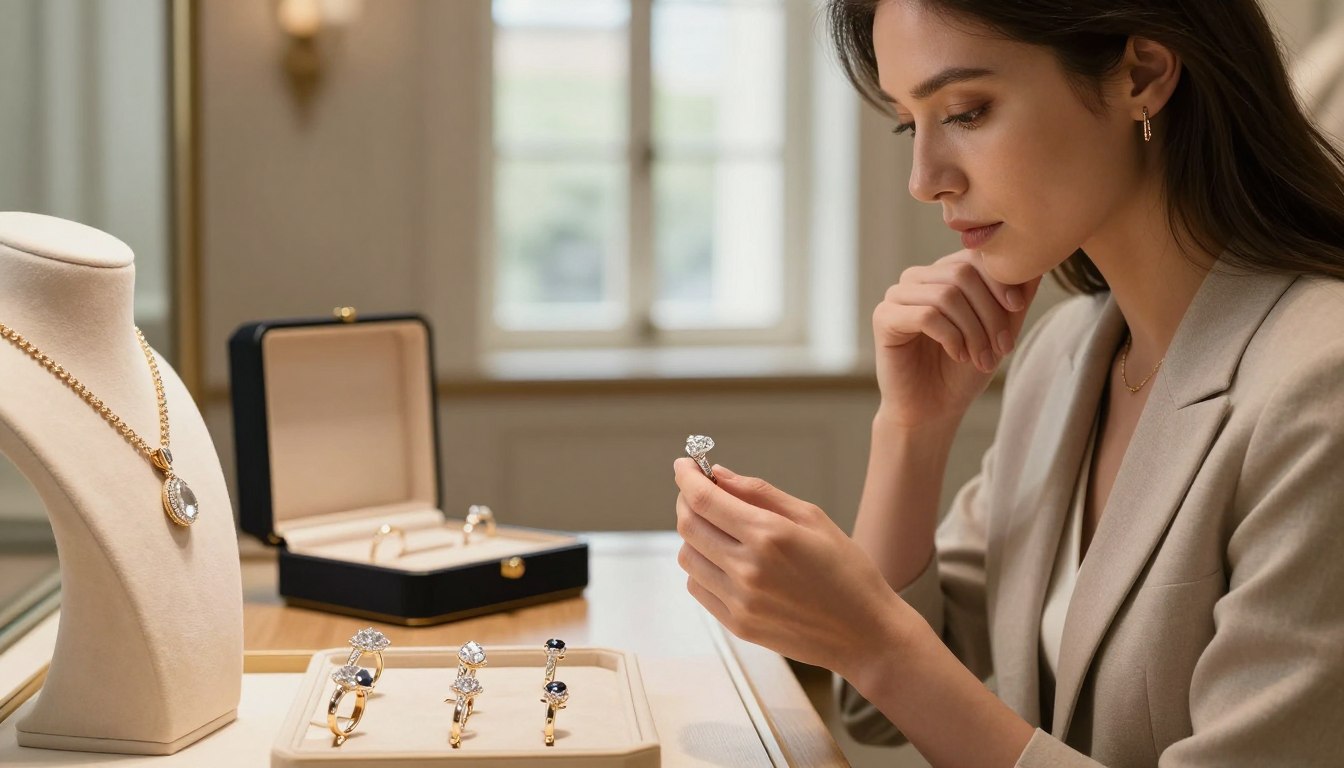
Can a sapphire pendant or a Cartier bracelet beat stocks or real estate? Or is jewelry just a luxury? This makes us think about value differently. It mixes feelings with money and asks if jewelry fits in a mix of investments.
This article looks at if jewelry can be an investment. It separates feelings from market value. We'll talk about different types of jewelry and where to buy them.
You'll learn about appraisal, market trends, and how to buy, store, and sell. The goal is to help you decide if jewelry is more than just something to wear.
Key Takeaways
- Is jewelry a wise investment choice? It depends on quality, rarity, and market timing.
- Can jewelry be an investment? Yes, but treat it as a specialist asset with unique liquidity and cost profiles.
- Jewelry as a financial asset often requires certification, provenance, and professional appraisal to realize value.
- Investing in jewelry calls for research across primary and secondary markets, including auctions and estate sales.
- Expect volatility, transaction costs, and the need for proper storage and insurance to protect capital.
Can Jewelry be an Investment?
Investors wonder: can jewelry be an investment? In finance, an investment is buying something hoping to make money. Stocks, bonds, and real estate are good examples because their values are easy to predict. Jewelry is different.
Understanding the intent
When someone wants to invest in jewelry, they hope it will be worth more later. This changes how they choose what to buy. Someone looking for style might pick different things than someone looking to sell later.
Personal use versus investment
Most people buy jewelry for both emotional and practical reasons. An engagement ring is special and can make people overlook its price. Paying more for design or brand can lower its future value.
What investors typically expect
Investors look for three things: value increase, easy selling, and making money. Some jewelry, like rare gems or vintage pieces, can increase in value. Selling jewelry can be hard, and making money from it is rare.
Real results are different from what people hope for. Some jewelry does well, but not as well as stocks or bonds over time. Success depends on many things, like the item's history and the market.
For those thinking about investing in jewelry, think like someone buying collectibles. Look into how rare it is, if it's certified, and where to sell it. This way, you can find good jewelry investments and keep some as personal treasures.
Overview of Jewelry Investment Opportunities
Investing in jewelry means knowing about different types and markets. This guide helps you understand the main areas to focus on when looking at jewelry investments.
Types of pieces to consider
Diamonds are a big deal in jewelry investing. Look for colorless, well-cut, and big diamonds. Certified GIA diamonds are more valuable because of their quality.
Colored gemstones like sapphires, rubies, and emeralds are also important. Their price depends on where they come from, if they're treated, and how rare they are. High-quality, untreated stones from places like Kashmir or Burma are very valuable.
Gold and platinum jewelry also have their own market. The price of gold and platinum changes often. But, the design and craftsmanship of the jewelry can also affect its value.
Primary versus secondary markets
Primary markets sell new jewelry from places like Tiffany & Co. and Cartier. These items have a higher price because of the brand.
Secondary markets include estate sales and auctions at Sotheby’s and Christie’s. These places often have better deals for those who know what they're looking for. It's important to check the item's history and condition.
Alternative and niche opportunities
Vintage and designer jewelry are popular among collectors. Pieces from Art Deco or Retro eras, or those signed by famous designers, can be very valuable. Knowing about these items can help increase their value.
Niche investing in jewelry requires special knowledge. You need to understand how to spot authentic items and know the market trends. This can help you make smart choices when investing in jewelry.
Factors That Determine Jewelry Value
The worth of a piece goes beyond sparkle. Savvy buyers and investors look at core criteria. These shape market prices and the long-term value of jewelry as an investment.
Diamonds are judged by the four Cs: carat, color, clarity, and cut. Carat affects price nonlinearly; larger stones command steep premiums per carat. Color grades from D to Z matter most in white diamonds, with near-colorless and colorless stones selling at higher rates.
Clarity ranges from flawless to included; highly flawless stones fetch top dollar, at higher carat weights. Cut controls brilliance and fire; a superior cut can raise market demand more than small changes in color or clarity. Lab-grown diamonds have shifted supply and pricing; they are usually cheaper than natural stones.
Colored gemstones follow different rules. Color quality is judged by hue, saturation, and tone. A vivid, well-saturated ruby or sapphire from Burma or Kashmir may carry a significant premium.
Origin matters: Kashmir sapphires, Burmese rubies, and Ceylon sapphires often command higher prices because of rarity and historic demand. Treatments such as heat, fracture filling, and dyeing affect value; untreated stones remain more desirable. Clarity is important, though some gemstones tolerate inclusions better than diamonds.
Metal content and craftsmanship add another layer. Gold karat (14K, 18K) and platinum purity influence base metal value. Superior handcrafting, tight settings, and complex techniques elevate price. Designer signatures from Cartier, Tiffany & Co., Bvlgari, and Van Cleef & Arpels can add a brand premium that outstrips metal value alone.
Provenance—such as previous ownership by a well-known collector or celebrity—can create a strong market narrative and lift bids at auction.
Rarity and condition are decisive for resale. Unique stones, one-off designs, and limited production runs create scarcity that collectors prize. Physical condition matters: heavy wear, poorly executed repairs, or missing stones can reduce resale value sharply.
Accurate documentation, original receipts, and certified grading reports enhance trust and make jewelry appraisal for investment more reliable.
The interplay of these elements determines the realistic value of jewelry as an investment. Buyers should weigh gemstone quality, metal and maker, provenance, and condition together, not separately, when estimating future resale.
Jewelry Appraisal for Investment
A professional appraisal helps collectors and investors understand value. It's a detailed process that looks at condition, special features, and market trends. Appraisers give a clear price for both buying new and selling again.
How professional appraisal works
First, they check for wear and repairs. Then, they do tests like refractometry and spectroscopy to confirm what it is. They also measure weight and report on condition.
After that, they compare the price to buy new and sell again. These prices can be very different.
Certification and grading reports
Trusted labs like the Gemological Institute of America (GIA) make high-end pieces more valuable. They give reports for diamonds and colored gems. Labs like IGI and HRD also help with certain items.
These reports help sell items faster and for more money. They are key when investing in jewelry.
Keeping documentation and periodic reappraisals
Keep all important papers and photos safe. Store the originals well and have digital copies in different places.
Get reappraisals every three to five years or after big market changes. This helps with insurance and taxes. Knowing both values is important for planning.
| Appraisal Step | What It Covers | Why It Matters for Investors |
|---|---|---|
| Visual Inspection | Condition, repairs, maker marks, hallmarks | Condition drives resale value and restoration costs |
| Gemological Testing | Identity, treatments, refractive index, spectroscopy | Confirms authenticity that underpins certification and grading reports |
| Weight & Measurement | Carat weight, dimensions, metal weight | Direct input for market pricing and insurance replacement value |
| Market-Based Valuation | Comparative sales, retail replacement vs. resale | Provides realistic expectations for liquidity when investing in jewelry |
| Certification | Lab reports from GIA, AGL, SSEF, IGI, HRD | Improves buyer confidence and market access |
| Documentation Practice | Invoices, certificates, photos, provenance | Essential for resale, insurance claims, and estate planning |
Jewelry Market Trends for Investors
Investors look at long-term trends to compare jewelry with other investments. Gold is often seen as a safe choice, with prices going up during tough times. Diamonds and colored gemstones can be more unpredictable, but some, like rare rubies, have done well over time.
Historical price trends change based on the type of item and time period. Gold and platinum prices are influenced by big economic changes. Gemstone prices can go up or down based on how rare they are and what collectors want.
Demand for jewelry can change quickly. Growing wealth in places like China and India means more people want luxury items. Brands like Cartier and Van Cleef & Arpels help keep prices high with their marketing.
Seasons and special events can make certain jewelry styles more popular. Wedding season and holidays are big times for jewelry sales. As more people in emerging markets get richer, they start to want unique, branded jewelry.
But, there are risks to watch out for. Some jewelry markets can be very volatile, with prices changing fast. It's hard to know what's real and what's not in the secondary market.
Seasonal trends are important to remember. Prices can go up during wedding season and holidays. But, it's hard to predict exactly when and how much prices will change.
To invest wisely, you need to know both the big picture and the details. Keep an eye on long-term trends for metals and gemstones. Watch what's happening in luxury markets and emerging economies. And be ready for times when the market can be very unpredictable.
Pros and Cons of Jewelry as a Financial Asset
Investors look at jewelry's charm and market value. Rare gemstones and signed pieces from Cartier or Tiffany & Co. are appealing. But, there are practical challenges for buyers and sellers.
Advantages to consider
- Potential appreciation in rare stones or designer pieces from brands such as Bulgari, Van Cleef & Arpels, and Rolex watches that have shown long-term value growth.
- Portability and ease of storage, which makes jewelry a compact way to move wealth across borders or keep value close at hand.
- Aesthetic enjoyment and personal use, giving dual utility that many financial assets lack.
- Diversification with jewelry can reduce portfolio correlation to stocks and bonds, making it a hedge during certain market cycles.
Disadvantages to weigh
- Illiquidity: selling can take time and require finding the right buyer or auction timing.
- High transaction costs, including retail markups, auction fees, and dealer commissions that cut into returns.
- Valuation subjectivity and market opacity, which can produce wide price swings and uncertain appraisals.
- Risk of fraud or undisclosed treatments, particular with colored stones unless certified by labs such as GIA or AGS.
- Ongoing insurance and secure storage costs that reduce net gains.
Risk mitigation strategies for would-be buyers
- Buy certified stones and demand grading reports from recognized laboratories like the Gemological Institute of America.
- Insist on provenance and full disclosure for estate or vintage pieces to confirm authenticity and ownership history.
- Favor recognized brands or historically desirable origins to help preserve resale value.
- Spread holdings across metals, diamonds, and colored gems to achieve true diversification with jewelry.
- Use insured storage options such as bank vaults or specialized facilities to protect physical assets.
- Consult reputable appraisers and major auction houses when preparing to sell to optimize timing and price realization.
Practical Steps for Investing in Jewelry
First, make a plan. Know your budget, how long you can wait, and what you want to achieve. Make a list of the jewelry you want to find. This helps you stay focused in your research.
Research and due diligence before buying
Check if the jewelry is certified by places like GIA or AGL. Ask for an independent appraisal if there's no certificate. Look at auction records from Sotheby’s and Christie’s to see what similar items sold for.
Learn about treatments and where colored stones come from. Make sure you know about returns, guarantees, and the seller's reputation. Keep all receipts, reports, and photos of your purchases.
Where to buy: dealers, auctions, estate sales, and online platforms
Buying from authorized dealers like Tiffany & Co. and Cartier might cost more. But they offer guarantees and provenance. Auctions at Sotheby’s and Christie’s can be a chance to find rare items. Look at what similar items sold for before the auction.
Estate sales and pawn shops might have good deals. But make sure the gems are real and not treated. Online sites like 1stDibs, Worthy, and James Allen sell certified gems and are clear about what you're buying.
Storage, insurance, and care to protect investment value
Choose safe places to store your jewelry. Bank safe deposit boxes or vault services are good. For delicate gems, keep them in a place with a steady temperature to avoid damage. Check the jewelry often to see if anything is loose.
Get insurance that covers the full value of your jewelry. Use professional cleaning and care to keep it in good shape. Keep all important documents in a safe, easy-to-reach place.
- Checklist: certification, independent appraisal, provenance, purchase terms, secure storage, scheduled insurance, periodic inspections.
- Tip: compare channels to decide where to buy jewelry based on authenticity needs, price sensitivity, and desired provenance.
Making Money with Jewelry: Realistic Expectations

Investors often wonder if jewelry can make steady money or quick profits. Before you invest, know what to expect. Rare, documented pieces act differently than common ones.
Outperforming and underperforming scenarios
At places like Sotheby’s and Christie’s, special pieces from Cartier and Van Cleef & Arpels do well. They also include important gemstones. Their value comes from being rare and having clear history.
But, common jewelry and stones that look treated don't do as well. They lose value after you pay for resale, cleaning, or changes. Pieces bought for fashion usually don't sell for much.
Turnaround strategies to improve value
Buying things for less than they're worth can help you make money. Look for deals at estate sales, local auctions, or from sellers who need cash fast.
Getting expert help to fix or polish jewelry can make it more attractive. But, keep the original look of old items if collectors like it.
Changing diamonds or resetting stones can make them more appealing. But, think about losing certification or looking fake.
Exit planning and timing
Choose where to sell based on what you have. Use big auction houses for rare items. For quick sales, go to dealers.
Time your sales right. Luxury items sell better during certain times and when the economy is good. Get a current appraisal and good photos before you list.
Remember, costs like fees, shipping, and taxes can cut into your profit. In the U.S., you might have to pay taxes on your gains. Plan for these costs in your exit strategy.
| Scenario | Typical Channel | Key Costs | Realistic Outcome |
|---|---|---|---|
| Rare, signed pieces (Cartier, Van Cleef) | Sotheby’s, Christie’s, specialist dealers | Auction fees, cataloging, insurance | Potential above-commodity returns with strong provenance |
| Estate bargains bought below market | Local auction, estate sale, private purchase | Restoration, appraisal, resale commission | Improved margins when restoration and market timing align |
| Mass-market retail jewelry | Pawn shops, online resale platforms, consignment | High retail markup, seller fees, quick-sale discounts | Often sells below purchase price after fees |
| Vintage collectibles where patina matters | Specialist auctions, vintage dealers | Conservation, provenance research, photography | Moderate to strong returns if provenance verified |
Conclusion
So, can jewelry be an investment? Sometimes, yes. Rare gemstones and certified diamonds can increase in value. Pieces from famous brands like Cartier or Tiffany & Co. also have value.
But, jewelry isn't as reliable as other investments like stocks or bonds. It's not always a good choice for growing your wealth over time.
To invest in jewelry wisely, do your homework. Get grading reports from trusted labs. Buy from reliable dealers or auctions.
Keep your jewelry safe and insured. Understand that jewelry investing comes with costs and risks. It's not always easy to sell or trade.
In the U.S., see jewelry as a part of your investment mix. Talk to gem experts and financial advisors before spending a lot. With the right choices and a long-term plan, you can enjoy jewelry and grow your wealth.
FAQ
Is jewelry a wise investment choice?
Can jewelry be an investment?
What types of jewelry are commonly considered for investment?
Where do investors buy and sell jewelry?
How does jewelry appraisal work for investment purposes?
What determines the value of a piece of jewelry?
How do market trends affect jewelry as an investment?
What are the advantages and disadvantages of investing in jewelry?
What practical steps should I take before investing in jewelry?
How can I realistically make money with jewelry?
How often should investors reappraise and re-document their jewelry holdings?
Do lab-grown diamonds change the investment landscape?
What documentation increases a piece’s liquidity and resale value?
When should I choose an auction versus a private sale to sell jewelry?
How should jewelry be insured and stored for investment purposes?
